
Inquiry For All
Search C3 Teachers Inquiries
Search Tool
The Heart of Social Studies
Inquiries

Filed Under:
The goal of this inquiry is to present the social movements of the 1960s as an interconnected whole, not just isolated causes. Doing so helps students understand the significance of the era and the mindset of people at the time. 1960s activists– and their critics– often spoke about change as a revolution.
…
Filed Under:
This inquiry leads students through a comparison of protest marches. The compelling question for this inquiry calls on students to examine primary source photographs of protest marches that attempt to restrict the rights of citizens and protest marches that attempt to protect civil rights. By completing this inquiry, students begin to understand the similarities and…
Filed Under:
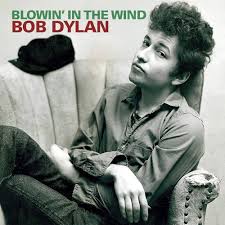
This inquiry invites students to examine how musicians use their work to respond to societal challenges and promote change. Students will explore how these songs highlight critical issues like civil rights and social justice by analyzing “A Change is Gonna Come” by Sam Cooke (written in 1963) and “Blowin’ in the Wind” by Bob Dylan…
Filed Under:
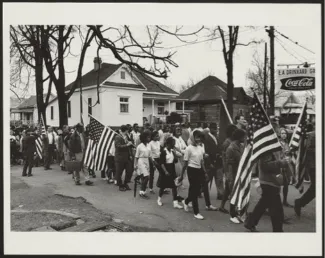
This inquiry explores how photographs of the Selma to Montgomery march served as a call to action during the Civil Rights Movement. By analyzing historical images and primary sources, students will examine the courage and resilience of the marchers, the impact of these visuals on public opinion, and the passage of the Voting Rights Act…
Filed Under:
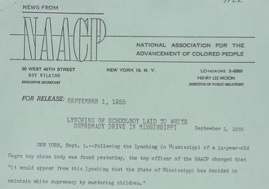
This inquiry invites students to explore the role of print media in driving social change by examining the murder of Emmett Till and the impact of Jet magazine’s coverage. Students will analyze the September 1955 issue of Jet magazine that featured the graphic image of Till’s open casket, exploring how this image shocked the nation…
Filed Under:
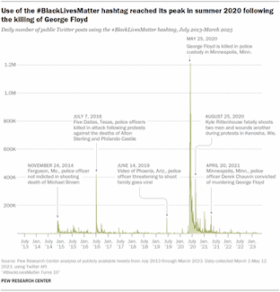
This inquiry examines how social media has become a powerful tool for modern youth activism, focusing on the Black Lives Matter (BLM) movement. Students will analyze how platforms like Twitter, Instagram, and TikTok amplify voices, mobilize protests, and inspire global action against racial injustice and police brutality. By comparing the role of photographs in historical…
Filed Under:
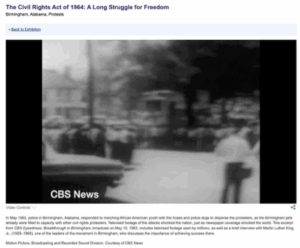
This inquiry explores how television can inspire social change, focusing on the Children’s Crusade in Birmingham, Alabama. Students will analyze how footage of children enduring fire hoses and police dogs revealed the brutal realities of segregation and moved President John F. Kennedy to advocate for the Civil Rights Act. Through this, students will understand the…
Filed Under:
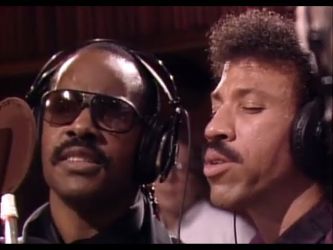
Even with all the pop culture excess of the 1980s, musicians found ways to use their influence to help others. The famine in Africa during the mid-80s is a perfect example of how artists turned their popularity into a force for good. British and American musicians came together to record songs, create music videos, and…

This annotated inquiry leads students through an investigation of a public policy debate by studying the Affordable Care Act (ACA). The compelling question—“Why is the Affordable Care Act so controversial?”—calls out the persistent debate around this legislation and asks students to grapple with the roots of disagreement through the examination of the origins, opportunities, shortcomings,…

Filed Under:
This inquiry leads students to examine the ways that African Americans were leading voices in an ongoing effort to guarantee equal rights and freedoms for all people in the United States. Contrary to the oft repeated narrative that the US Government benevolently granted freedoms to African Americans, the questions, tasks, and sources in this inquiry…

Filed Under:
This inquiry examines the experiences of African Americans during the Civil War, those who served in the Union army and enslaved, formerly enslaved, and freed blacks in the south and north. The contributions of African Americans to the war effort were considerable. About 179,000 black soldiers (10% of the Union Army) served in the U.S….

Filed Under:
This sixth grade annotated inquiry provides students with an opportunity to investigate the role of agriculture in the growth of complex societies. Students will examine sources related to the development of agriculture, the emergence of ancient writing in Mesopotamia, and the rise of social inequalities as they construct an argument in response to the compelling…

Filed Under:
Teachers today face a patchwork of district guidelines and a spectrum of comfort with AI—from enthusiastic early adopters to reluctant hold-outs. This uneven landscape shapes not only how they source and build instructional materials but also how AI tools ultimately influence student learning.
…
Filed Under:
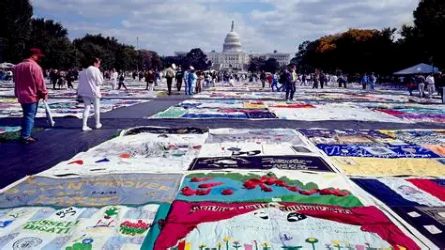
AIDS was first recognized by the CDC in 1981. Despite tens of thousands of Americans dying of the disease in the 1980s, President Reagan did not publicly mention AIDS until 1985 and did not deliver a speech on it until 1987. In this inquiry students will investigate the compelling question, “How do we memorialize loss?”
…
Filed Under:
This inquiry leads students through an investigation of the life, achievements, and mystery of Amelia Earhart and her disappearance. The compelling question, “Where did you go, Amelia Earhart?” engages students in discovering the legacy of Amelia Earhart from her youth to her disappearance. Students will use the sources provided by this inquiry to gather information…
Filed Under:
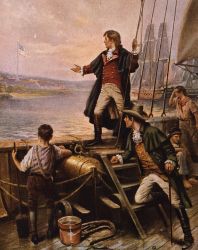
The phrase “Land of the Free and the Home of the Brave” comes from The Star-Spangled Banner, written by Francis Scott Key during the War of 1812. Over time, these words–freedom and bravery–have become hallmarks of America’s identity, reflecting the nation’s ideals of liberty and courage. Yet, the journey to embody these values has been…
Filed Under:
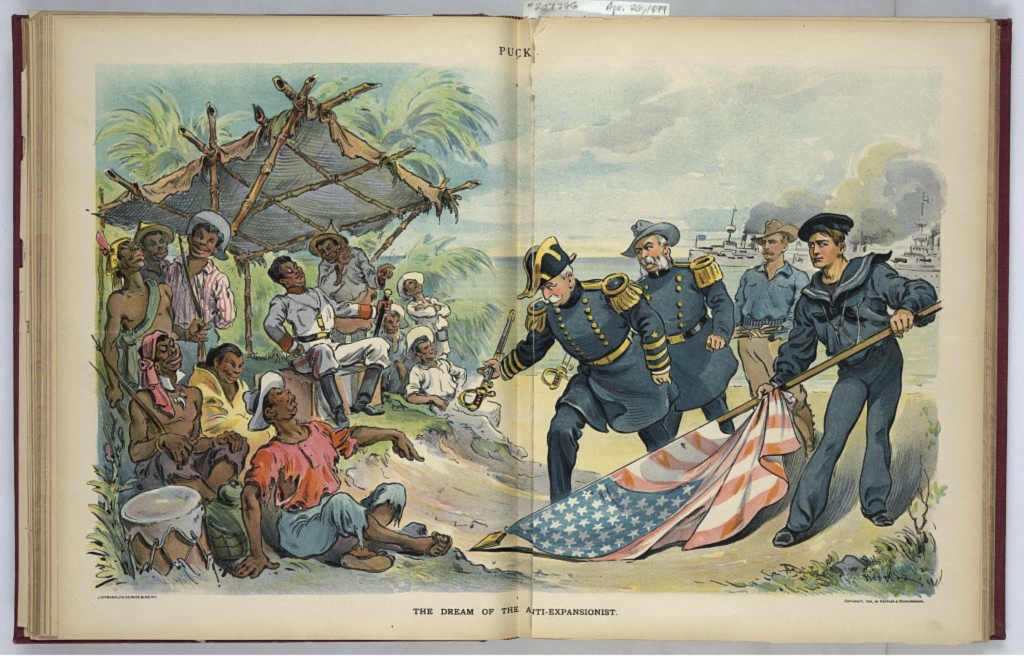
American political cartoons from the nineteenth century are known for their stereotypical portrayals of non-American peoples. In this inquiry, students will analyze cartoons about American imperialism in the Philippines to understand the importance of knowing where sources come from.
…
Filed Under:
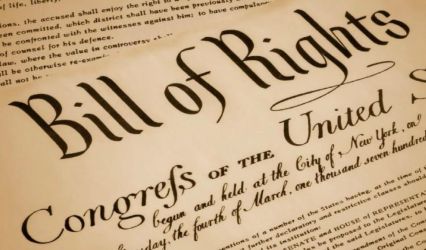
Throughout history, it has been evident that providing a public display of rights has been important to make sure a person’s rights can not be denied. Through this inquiry, students will be challenged to examine the Bill of Rights and choose which are the most important rights that showcase what it means to be a…

Filed Under:
Throughout this inquiry students investigate the complex interconnected roles of individuals and groups as well as the economic, social, and geographical forces that contributed to the American Revolution. Students wrestle with issues concerning historical determinism as they move toward an evidence-based argument as to whether or not the war was avoidable. The compelling question “Was…

Filed Under:
This inquiry focuses on the causes of the American Revolution in light of feelings of injustice among social classes. Students typically learn about the experiences of people during the American Revolution in simple categories such as loyalist and patriots. In reality, there were varied experiences that reflect social class, gender, race, and ethnicity. In this…
Filed Under:
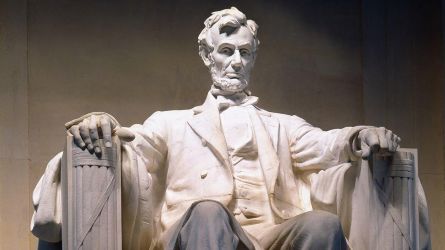
In this inquiry, students study popular United States Memorials (Lincoln Memorial, Jefferson Memorial, Mount Rushmore National Memorial, and Martin Luther King, Jr. Memorial) in order to identify historical figures who have impacted our nation. Students will be able to recognize and explain the significance of national symbols and the people who influenced our nation.
…
Filed Under:
Over the course of U.S. history, many groups have fought for rights and representation. In 1990, the Americans with Disabilities Act was passed, giving comprehensive civil rights representation to Americans with disabilities. In this inquiry, students will investigate the compelling question, “What’s the result of citizens’ fight for rights?”
…